What Goes Into Audi Car Key Replacement — and Why It Is More Complex Than Most People Expect
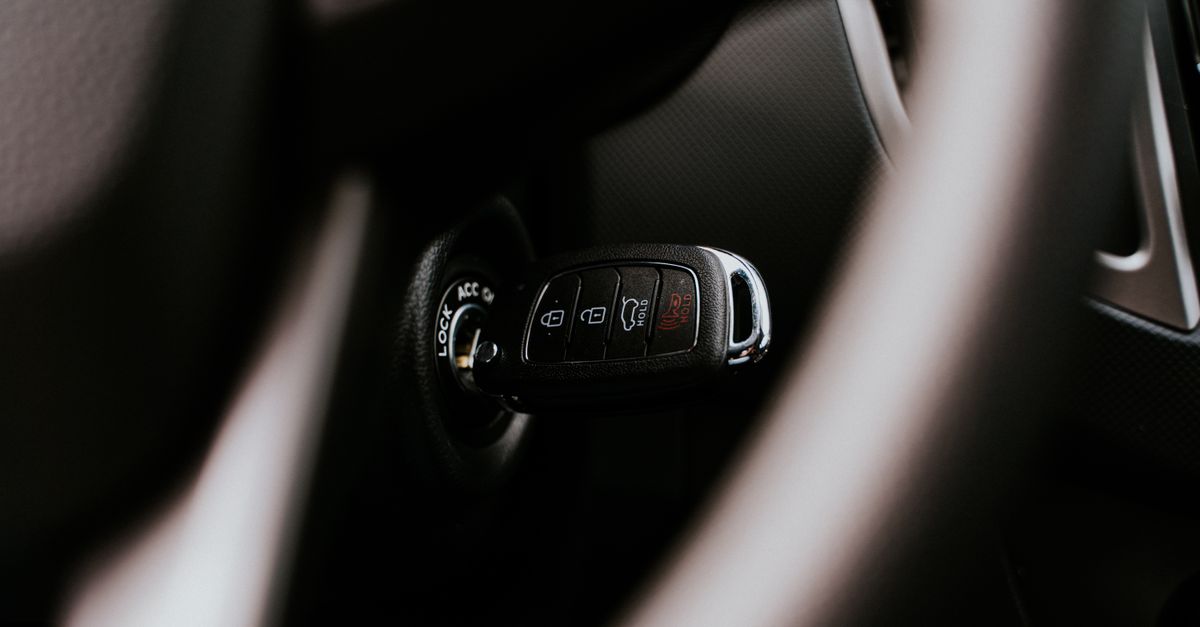
Audi has layered multiple security technologies into its keys over the past two decades. Older models may use a basic transponder chip that must be matched to the car's immobilizer system. Mid-generation vehicles moved to flip keys with remote fob functions built in. Current models — including the Q3, Q5, Q7, A3, A4, A5, A6, A7, A8, e-tron, and TT — frequently use proximity or 'comfort key' systems that allow push-button start and hands-free trunk access. Each generation requires different cutting specifications and a different programming protocol, which is why a generic hardware store copy will simply not work. Our technicians are trained across all of these platforms and arrive with the diagnostic and coding equipment needed to handle each one correctly.
Programming an Audi replacement key is not just about cutting a blade to the right shape. The new key's transponder or smart-key module must be enrolled into the vehicle's ECU so the immobilizer recognizes it as authorized. For proximity keys, the rolling-code communication between the key and the car must also be established. We do all of this on-site, typically in the time it would take you to drive to a dealer and fill out the intake paperwork. If you need a second key cut and programmed as a spare — something we strongly recommend so you are never in this situation again — we can do both in the same visit.