Car Key Replacement by Vehicle Brand — What the Process Actually Looks Like
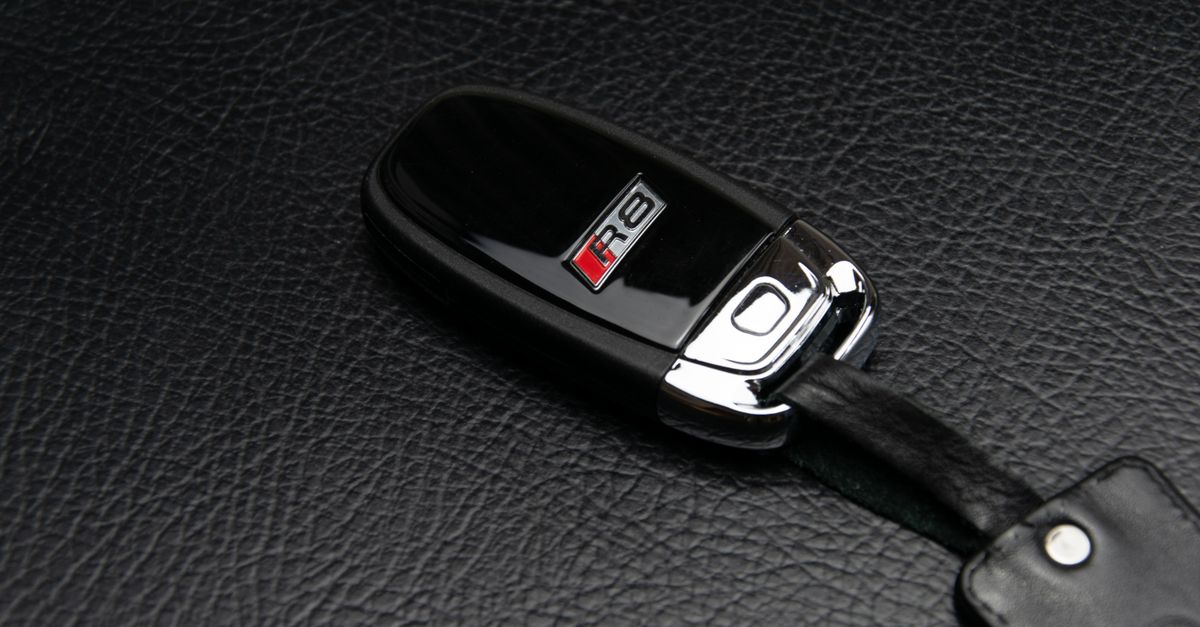
Not all car keys are created equal, and the replacement process varies significantly depending on the make, model, and year of your vehicle. A basic cut-and-go metal key for an older domestic truck is a straightforward job. A proximity smart key or push-button fob for a late-model Honda, Toyota, Ford F-Series, Chevrolet, Subaru, BMW, or Kia involves cutting a new blade to the vehicle's specific bitting code, then using specialized on-board diagnostic equipment to pair the transponder chip with the car's immobilizer system — a step that absolutely must be done on location. Our technicians arrive in a fully equipped mobile unit so every stage, from key cutting to transponder programming to fob syncing, happens right where your vehicle sits. We verify ownership before any work begins, a standard step that protects you as much as it protects us.
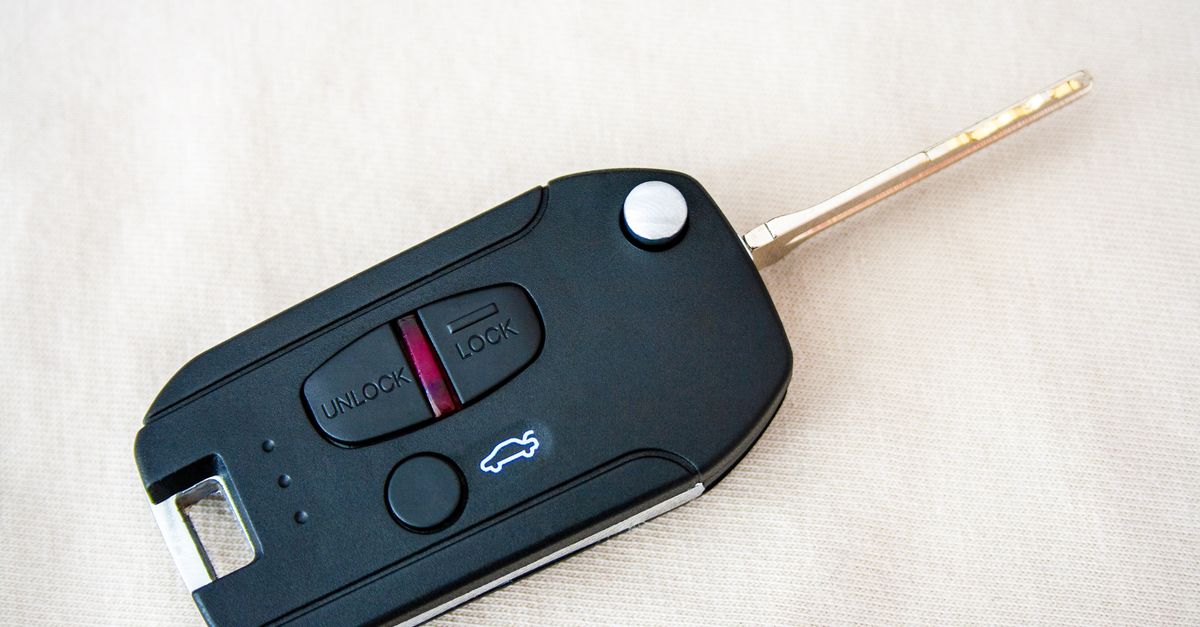
Key types we regularly handle include single-sided laser-cut keys, double-sided standard keys, transponder chip keys, proximity or smart keys, flip keys, switchblade keys, keyless entry remotes, and combination remote-head keys. Lost all copies? That is a total replacement scenario where we decode the lock cylinder or pull the vehicle's key code through the OBD port before cutting. Broken key stuck in the ignition or door lock? We extract the fragment carefully — damage-free where the mechanism allows — then produce a fresh working key on the spot. If you are dealing with a fob that stopped communicating with your vehicle after a battery swap or software glitch, re-synchronization is often a quicker fix than a full replacement, and we can tell you which applies before we start any billable work.